Catégorie : Politique

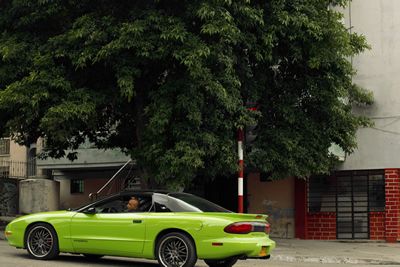
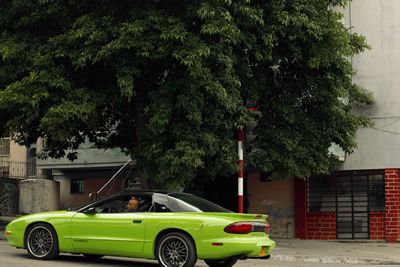
  • Le journal télévisé d’hier a laissé Raidel bouche bée. Lui qui était sur le point d’acheter une voiture subventionnée, un système de privilèges qui va prendre fin. Il venait à peine de se procurer la lettre d’autorisation d’achat, avec les signatures et les tampons nécessaires qu’il avait mis des mois à obtenir, baladé d’un bureau à un autre, d’un bureaucrate à un autre. Le plus dur avait été de prouver que ses revenus provenaient bien d’un travail public, prouver l’origine de chaque centime obtenu en décorant des offices de tourisme. Avec l’autorisation en poche, il avait dû patienter pendant quatre ans sur une liste d’attente qui affichait déjà à l’époque 7000 acheteurs potentiels. Jusqu’à cette journée d’hier, où son rêve d’aller à la fourrière et de choisir une Peugeot ou une Hyundai à bas prix s’est évanoui en quelques secondes, juste le temps pour le présentateur de lire le communiqué officiel à la télévision.

    Il y a peu, le Conseil des Ministres a autorisé la mise en place graduelle de la vente de voitures modernes (neuves ou d’occasion) à toute personne, qu’elle soit cubaine ou étrangère. Deux années après l’application du Décret 292, la réalité s’est imposée et a obligé l’État à élargir les limites de cette régulation. À cette légalisation de l’achat et de la vente de véhicules entre particuliers, s’ajoute l’acquisition auprès des concessionnaires de voitures avec zéro kilomètre au compteur ou fabriquées il y a moins d’un an. Nous passerons donc d’une simple autorisation de commercialisation d’un produit de seconde main à l’obtention d’un produit neuf qui est vendu avec certaines garanties techniques… Oui, mais pour les réseaux de détaillants travaillant pour l’État, au prix que le Gouvernement déterminera, et probablement en payant comptant.

    Une mesure de ce type bénéficie à la classe moyenne émergente, désireuse de posséder plus, plus de symboles modernes dignes de son statut. Comme effet immédiat, les différences sociales s’accentueront, ce qui a déjà été dramatiquement le cas ces cinq dernières années. Même si le discours politique continue à parler d’égalité et d’opportunités pour tous, cet assouplissement ne concerne que ceux qui ont de grosses entrées d’argent en pesos convertibles. Ce sont eux les grands gagnants d’hier, alors que les perdants sont les Cubains comme Raidel, dont la lettre d’autorisation pour acheter une voiture a désormais plus de place dans un musée. Après des années à applaudir, simuler et travailler dur, les gens comprennent à présent que le marché a été imposé en dépit de leurs mérites professionnels et politiques.

    Traduit par Aïda

    More:
    Voitures à Cuba: des lettres sont des lettres…

  • Ecrivain, blogueur, éditeur de revues numériques et photographe, Orlando Luis Pardo Lazo est une figure de la scène culturelle alternative à La Havane. Il est à la fois un individualiste imbu de sa singularité et un organisateur de manifestations collectives, convaincu que les choses bougent uniquement si elles ont un effet d’entraînement. Tout comme les jeunes qui sont en train de changer le visage de la dissidence, il s’est approprié les nouvelles technologies de communication.

    Continued here:
    A Cuba, des jeunes écrivains s’insurgent


  • Photo by Silvia Corbelle

    The morning’s news left Raidel speechless. Just when he was going to buy a car at a subsidized price, they announced the end of this mechanism of privileges.

    Just to get the authorization letter, with signatures and stamps, had been the work of long months trekking from one office to another, one bureaucrat to another. The hardest thing was to demonstrate that his income came from the State sector, proving the origin of every penny earned from decorating tourist resorts. With permission already granted, he had endured four years on a waiting list of over seven thousand potential buyers. Until this morning, when his dreams of going to pick out a low cost Peugeot or Hyundai went up in smoke in the time it took to read a brief announcement on TV.

    Recently, the Council of Ministers agreed to gradually implement the sale of modern cars — new or used — to any natural person, whether Cuban or foreign. Two years after the implementation of Decree 292, reality has forced them to widen the strict limits of this regulation. To the legalization or vehicle sales between individuals, they have now added the acquisition from agencies of cars with zero miles, or with more recent model years. We are going from permission only to trade in second hand products, to being able to obtain a « new package » with certain technical warranties… but yes, from State retail networks, at a price determined by the government and probably paying in cash.

    A measure of this kind benefits the emerging middle class, eager to own ever more modern status symbols. As an immediate effect, it increases the social differences that have been growing dramatically in the last five years. Although the political discourse continues to speak of equality and opportunities for all, this relaxation is directed at those who have high incomes in convertible pesos. They are the big winners of the day, while the losers are Cubans like Raidel, whose authorization letter to buy a car barely has value as a museum piece. People who after years of applauding, faking and working hard, understand that today the market as been imposed over their professional and political merits.

    Read the original:
    Cuba Changes the Rules for Car Buying: The Emerging Middle Class Wins, the Political Faithful Lose

  • Foto de Silvia Corbeille

    Le journal du matin a laissé Raidel sans voix. Juste au moment où il allait acheter une voiture à prix subventionné, on annonçait la fin de ce mécanisme d’exception.

    Rien que l’obtention de la lettre d’autorisation avec les tampons et les signatures lui avait pris de longs mois passés à naviguer d’un bureau à l’autre, d’un bureaucrate à l’autre. Le plus difficile avait été de démontrer que ses revenus provenaient du secteur public, de prouver l’origine de chaque centime gagné à décorer les  centres touristiques. Une fois le permis autorisé, il avait attendu pendant quatre ans sur une liste d’attente qui dépassait les sept mille acheteurs possibles. Jusqu’à ce matin, où son rêve d’aller au dépôt choisir entre une Peugeot et une Hyundai à bas prix est parti en fumée, le temps de lire une annonce à la télévision.

    Récemment le Conseil des Ministres a autorisé l’implémentation progressive de la vente de voitures modernes –neuves ou d’occasion- à toute personne qu’elle soit cubaine ou étrangère. Deux ans après l’implémentation du Décret 292, la réalité s’est imposée et a contraint à élargir les conditions restreintes de cette régulation. A la légalisation de l’achat/vente de véhicules entre personnes privées, s’ajoute maintenant la possibilité d’acheter dans les agences d’autres véhicules avec zéro de kilométrage ou de fabrication plus récente. Après avoir eu seulement la possibilité  de commercialiser des véhicules de seconde main, nous allons disposer d’un « nouveau package »  avec certaines garanties techniques…mais ceci dans les magasins d’Etat, au prix que le gouvernement déterminera, et probablement avec l’obligation de payer comptant.

    Une mesure de ce type bénéficie à la classe moyenne émergente, de plus en plus désireuse de symboles modernes de statut social. L’effet immédiat sera une augmentation des écarts sociaux qui se sont dramatiquement accrus au cours des cinq dernières années. Bien que le discours politique continue à parler d’égalité et d’opportunités pour tous, cet assouplissement est destiné à ceux qui ont le plus de rentrées en pesos convertibles. Ce sont eux les grands gagnants du jour, alors que les perdants sont les cubains comme Raidel, dont la lettre d’autorisation pour acheter une voiture, n’a plus aujourd’hui qu’une valeur de pièce de musée. Des gens qui après des années d’applaudissements, de simulation et de dur labeur, comprennent aujourd’hui que le marché a pris le dessus sur leurs mérites professionnels et politiques.

    Traduction Jean-Claude Marouby

    Read the original post:
    Une lettre n’est qu’une lettre


  • Saint Lazarus

    At the entrance to the house is a life-size sculpture of a man with a beard and crutches. Everyone crosses themselves before him. Also of wood, there are two carved dogs as his side: skinny submissive strays. The image of Saint Lazarus plays a special role when the festivities for his day approach. He is one of the most venerated saints in our country and generates widespread displays of popular devotion. His sanctuary, in the town of El Rincón, is busy every December 17th with pilgrims, promise payers, flower sellers and police. All around him gather the hurting, the neediest, those who have tried everything to no avail… those abandoned by luck, science, or love.

    When I approach El Rincón I feel this energy that comes from pain and faith. The leprosy asylum with its sad stories, the illegal settlements that have grown up on both sides of the railway line and the whiff of the always burning candles. It is not a place for smiles. At times I’ve accompanied some friend bringing an offering promised for a favor that has been fulfilled. Other times, I’ve gone with that curiosity provoked in all of us that we can neither understand nor explain. On at least two occasions I’ve arrived under the roof of the temple at midnight on the 16th and have experienced moments difficult to forget. Someone is crying, screaming, and many are praying, the heat is tremendous and everyone is sweating, it smells of open sores and poverty. There isn’t room for one more soul in the Church.

    Today I left the house and very near by they have placed a purple cape and an image of old Lazarus. An old man who passed in front of him leaned over to whisper something in his ear. He had a rough beard and his clothes were from the time of the Soviet subsidy, when the ration market offered manufactured products. Looking from his parched face to that of the saint I noticed a similarity. Both were in the last stages of their lives with only the clothes on their backs and few reasons to laugh. The two of them so close, but one on the altar and the other in the street. One surrounded by promises to keep, the other knowing that all those they had made him were already broken.

    Yoani’s English Language blog is here, and her posts also appear in TranslatingCuba.com here, along with those of over 100 independent voices writing from the Island. You can help translate Cuban bloggers at HemosOido.com here.

    See the article here:
    In a Country Where the Government Breaks All Its Promises, Cubans Turn to Saint Lazarus


  • Saint Lazarus

    At the entrance to the house is a life-size sculpture of a man with a beard and crutches. Everyone crosses themselves before him. Also of wood, there are two carved dogs as his side: skinny submissive strays. The image of Saint Lazarus plays a special role when the festivities for his day approach. He is one of the most venerated saints in our country and generates widespread displays of popular devotion. His sanctuary, in the town of El Rincón, is busy every December 17th with pilgrims, promise payers, flower sellers and police. All around him gather the hurting, the neediest, those who have tried everything to no avail… those abandoned by luck, science, or love.

    When I approach El Rincón I feel this energy that comes from pain and faith. The leprosy asylum with its sad stories, the illegal settlements that have grown up on both sides of the railway line and the whiff of the always burning candles. It is not a place for smiles. At times I’ve accompanied some friend bringing an offering promised for a favor that has been fulfilled. Other times, I’ve gone with that curiosity provoked in all of us that we can neither understand nor explain. On at least two occasions I’ve arrived under the roof of the temple at midnight on the 16th and have experienced moments difficult to forget. Someone is crying, screaming, and many are praying, the heat is tremendous and everyone is sweating, it smells of open sores and poverty. There isn’t room for one more soul in the Church.

    Today I left the house and very near by they have placed a purple cape and an image of old Lazarus. An old man who passed in front of him leaned over to whisper something in his ear. He had a rough beard and his clothes were from the time of the Soviet subsidy, when the ration market offered manufactured products. Looking from his parched face to that of the saint I noticed a similarity. Both were in the last stages of their lives with only the clothes on their backs and few reasons to laugh. The two of them so close, but one on the altar and the other in the street. One surrounded by promises to keep, the other knowing that all those they had made him were already broken.

    Yoani’s English Language blog is here, and her posts also appear in TranslatingCuba.com here, along with those of over 100 independent voices writing from the Island. You can help translate Cuban bloggers at HemosOido.com here.

    See original article:
    In a Country Where the Government Breaks All Its Promises, Cubans Turn to Saint Lazarus

  • 6a00d8341bfb1653ef019b02cf1d16970d-550wi

    There were no great crowds of long lines outside the movie theaters and it didn’t feel like December because of the high temperatures and strong sun. These are the days of the New Latin American Film Festival, but the whole context is very different from 35 years ago when it was founded. The loss of importance of this cultural event is obvious, as is people’s reduced expectations round the Coral awards for the best films. But.. what has changed more? The Festival or us?

    The competition faced in Cuba for any movie is much greater now. Despite our material and technical limitations, our society has seen its access to films, documentaries and TV programs other than those broadcast by the official media skyrocket. Movie theaters have ceded space before home projections or private salons with flat screens and plastic chairs.

    Despite recent prohibitions on the film circuit operated by the self-employed, the phenomenon of « non-institutional programming » is unstoppable. So the Festival of New Latin American Cinema is not a film oasis in the wasteland of Soviet films we experienced in the 80s. Now it must compete with more commercial and dynamic offerings that address a broad spectrum of tastes.

    In the illegal market « combos » or « packages » proliferate, selections of series, reality shows and audience participation films. There are also abundant scientific and historic documentaries and big screen releases. We Cubans are true « Pirates of the Caribbean » when it comes time to copy and distribute recently released movies from other countries. One week after the film Avatar took New York by storm, the savvy marketers in our own backyard were offering a lesser quality — but similar impact — copy on local networks.

    « The Festival » (period… as we call it), had a clear ideological focus from the beginning to promote creations filled with social criticism, a reflection of regional problems or the historic memory of the dictatorships that plagued Latin America. Hence, its current problems in competing for an audience that increasingly wants lighter entertainment — humorous or simply frivolous. From a mass phenomenon, the Festival has become an elite event that tries to compensate for the excess of Hollywood movies, today available everywhere.

    Another element that marks the decline of this film event is the death of its creator and inspiration. Along with all that might have been controversial in the life of Alfredo Guevara, the Festival director, his drive and his personal relations shaped this film festival each December. Like every creature made in the image and likeness of man, the Festival received a very hard blow with the death of its principal author. However, in Cuba we’re already used to the survival of the most inert phenomena, so it shouldn’t come as a surprise in this case that there is another ad infinitum extension, another living-dead.

    For the filmmakers as well, the Havana event has declined in importance. It has become more of a get-together, mojitos in the gardens of the Hotel Nacional, or simply a walk though this theme park of the past that we have become. But to get a Coral award feels more like a remembrance than a present honor. Other places, other festivals, have gained in prestige and media reach in recent decades, to the detriment of an event that hasn’t known how to keep up with the times.

    Its political filter remains an impediment to the rejuvenation of the Festival. Although criticism has gained a space in its offerings, and its directors are not part of the institutional framework, it remains far from being a space without censorship. Another point on which it can’t compete — not even close — is with the underground movie networks, packed with controversial materials. But 35 years on, the International Festival of New Latin American Cinema continues.

    However, it is worth asking whether this is evidence of its good health or the stubbornness of its organizers. Unable to compete with the illegal — and international — networks of film distribution, rocked by the passing of its creator, and given its apparent loss of popularity, this event needs to be renewed. Otherwise, it could end up like that moment of the year when we dust off our nostalgia, going to theaters with broken seats and noisy projectors, to evoke that time when we could only see good movies in December. Two weeks for longing and remembrance.

    Yoani’s English Language blog is here, and her posts also appear in TranslatingCuba.com here, along with those of over 100 independent voices writing from the Island. You can help translate Cuban bloggers at HemosOido.com here.

    View article:
    Cuba’s Outdated Film Festival Carries On

  • These are bad times for the word, gray days for a philologist. The main problem is not the abundance of vulgar expressions, which can even be revealing in a linguistic and sociological analysis. The saddest thing is the decline of articulate speech, the fear of pronouncing words, the expanding silence. « A man who is a man doesn’t talk too much, » a vendor told me this morning when I insisted on knowing if the cupcakes were guava or coconut. Later I received a grunt when I inquired of an official about her office’s opening hours. To top off the day, I got nothing more than shrugged shoulders when asking where the bathroom was in a coffee shop.

    What is happening with the language? Why this aversion to expressing oneself in a coherent manner with well-structured phrases? The tendency to monosyllables is quite worrying, as is the use of signs instead of sentences with subjects and predicates. Who said so many people talking is a sign of weakness? Do adjectives show laziness? The phenomenon is widespread among young men because in the macho code loquacity is at odds with virility. A punch, a sneer, or simple babbling, have replaced fluid and well enunciated conversation.

    « I’m not going to discuss it… » boasted a man, yesterday, to a teenager trying to tell him something. Meanwhile, the latter was shouting, and instead of using words he was waving his hands around as a warning, the preferred code of slaps. The worst thing is that for the vast majority who witnessed the altercation, that individual was doing the right thing: don’t talk too much and get on with the fight. Because for many, talking is giving in, arguing is a sign of weakness, trying to convince people is cowardly. Instead, they prefer shouts and insults, perhaps an inheritance from so much aggressive political discourse. They opt for the almost animal growl and the slap.

    These are bad times for the word, party days for silence.

    Yoani’s English Language blog is here, and her posts also appear in TranslatingCuba.com here, along with those of over 100 independent voices writing from the Island. You can help translate Cuban bloggers at HemosOido.com here.

    View article:
    Fear of the Word